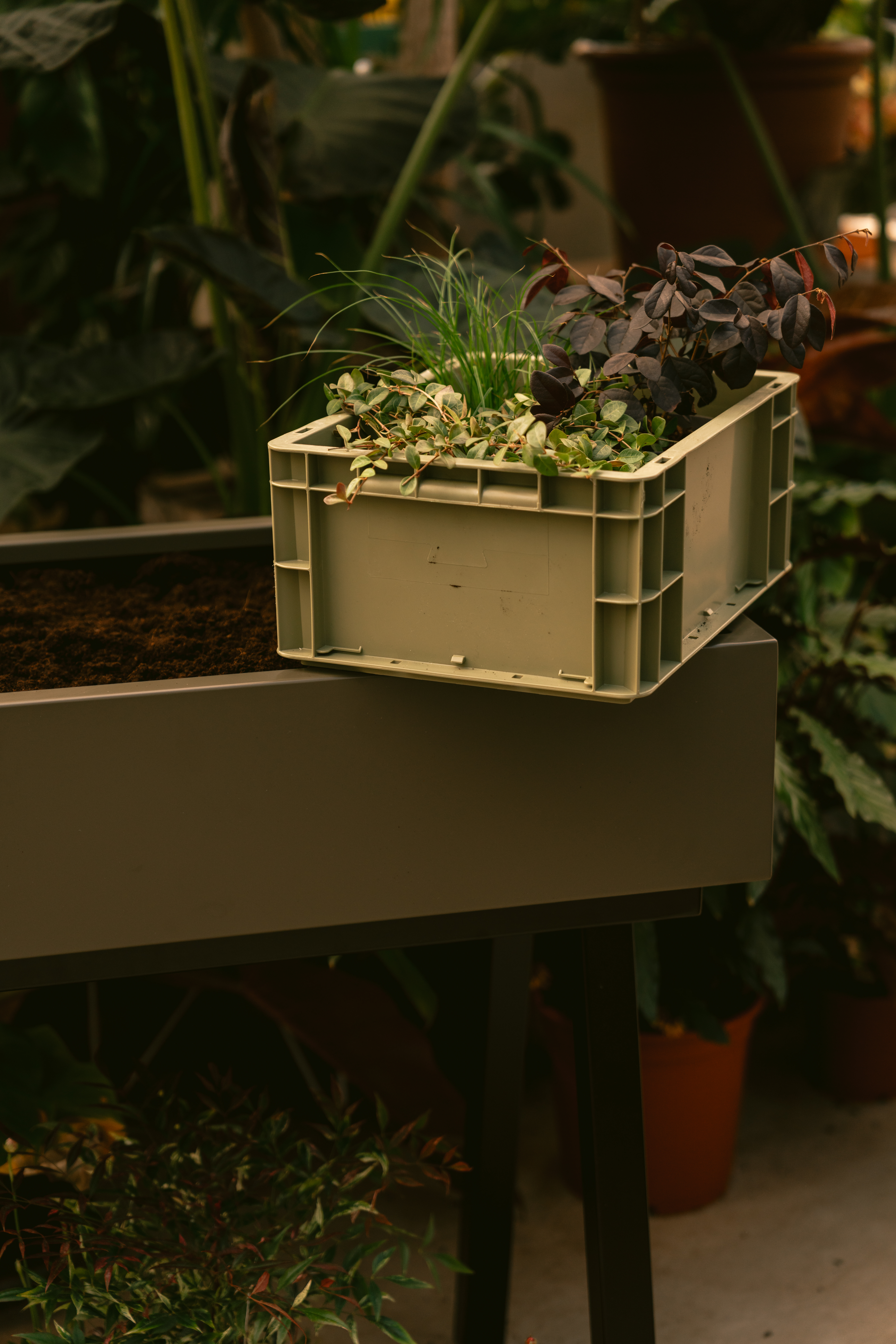
Kapitel 1. 'Der Anfang' - Gartentipps von Expertin Floor Korte - Floors Gemüsegarten
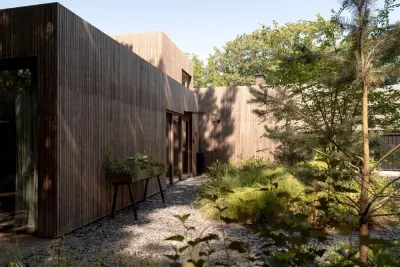
Kapitel 1. 'Der Anfang' - Gartentipps von Expertin Floor Korte - Floors Gemüsegarten

Bei Weltevree verstehen wir ‚Outdoor Living‘ als eine Lebensweise. All unsere Produkte tragen dazu bei. Doch was meinen wir damit eigentlich genau? Und was ist ‚Outdoor Living‘ – und wie lebt man es? 
Um dieses Thema näher zu erläutern, haben wir Floor Korte, Expertin von Floors Moestuin, einige Fragen zur Lebensweise des Outdoor Living gestellt. Im Fokus dieses Monats stehen dabei Begrünung und Gartenarbeit 

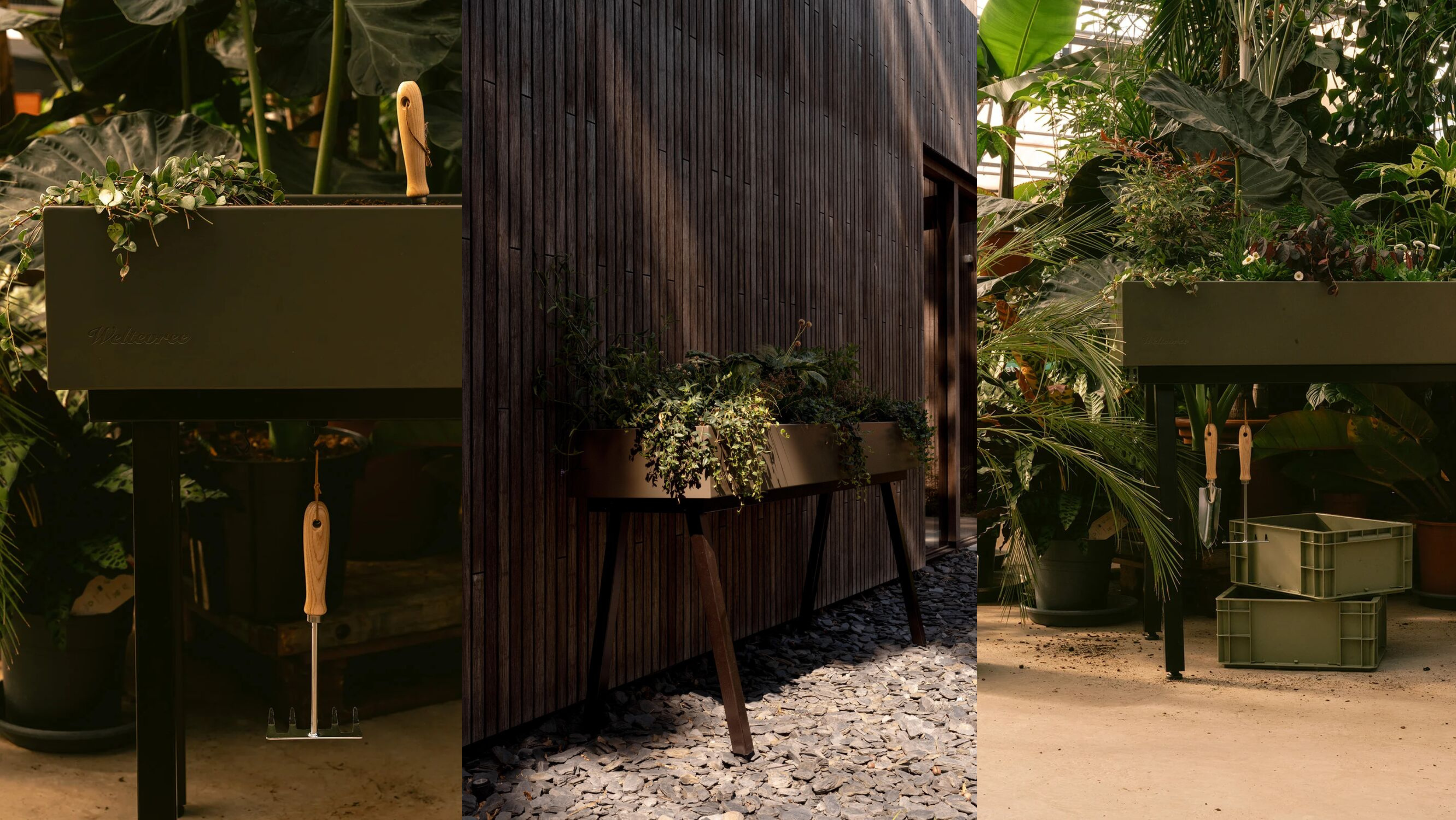
Wir verstehen das Outdoor-Sein am liebsten als einen unbändigen Drang, draußen zu sein und sich so oft und so viel wie möglich mit Natur zu umgeben. Mit Produkten wie Gardenworks und der Gardenworks Station wird das Draußensein ganz selbstverständlich Teil Ihres Alltags – das ganze Jahr über.
Die folgenden Fragen haben wir in drei Ebenen unterteilt: Der Anfang – Die Pflege – Zusätzliche Tipps &tricks. Hier finden Sie alles über 'Der Anfang'.
Zunächst eine kleine Einführung. Floor, könntest du erklären, warum Weltevree und Floors Moestuin so gut zusammenpassen?

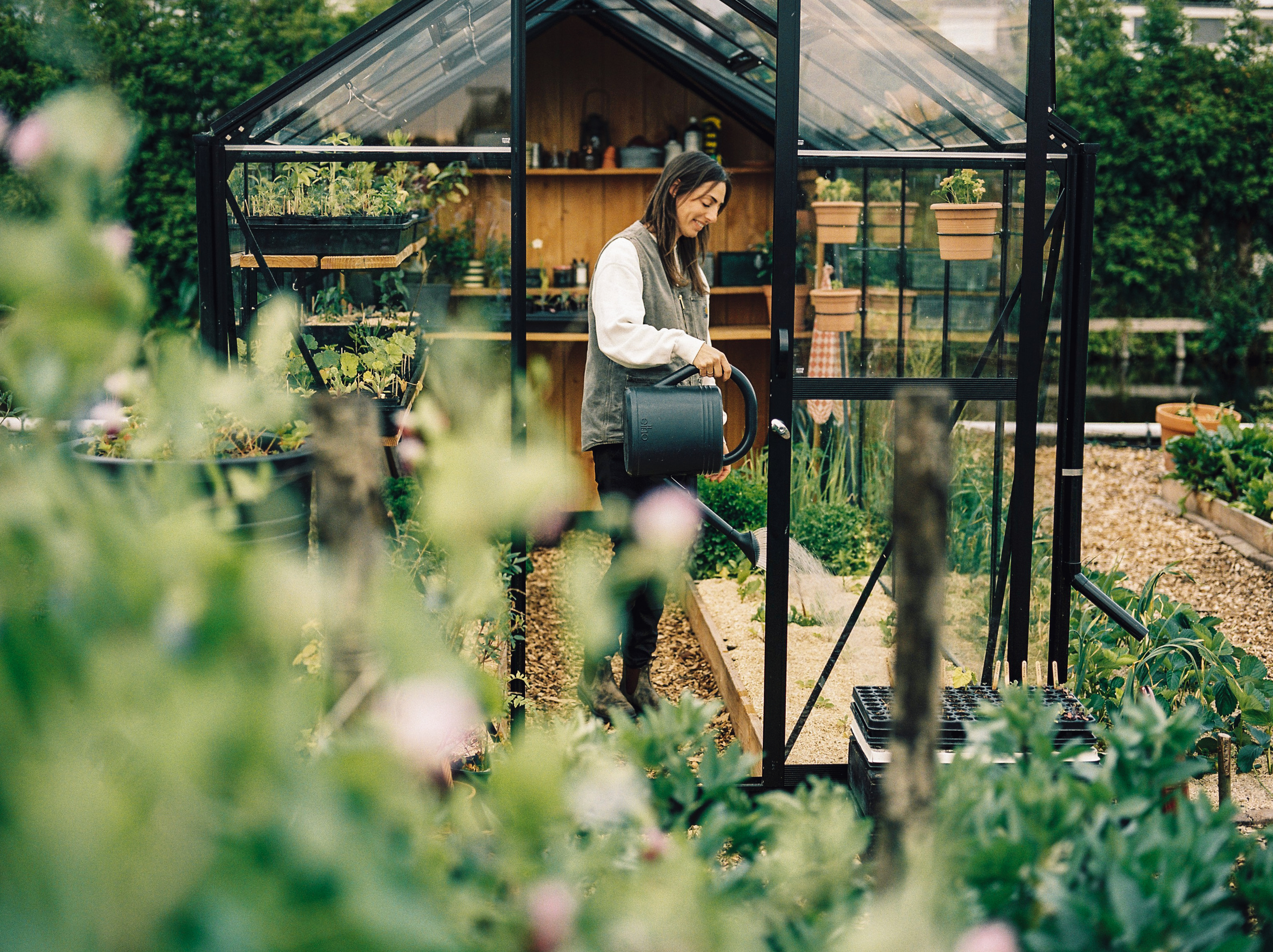
Mein Name ist Floor: Pflanzen, Kreieren, Gestalten und Schmecken machen mich unglaublich glücklich. Seit Jahren inspiriere ich tausende Menschen dazu, einen Gemüsegarten anzulegen – genau an der Schnittstelle von Grün und Design. Deshalb ist Weltevree X Floors Moestuin für mich die perfekte Kombination. Gemeinsam zeigen wir, wie gut Design und Natur zusammenpassen, und laden immer mehr Menschen dazu ein, nach draußen zu gehen.
Credits: Hanke Arkenbout
Der Anfang

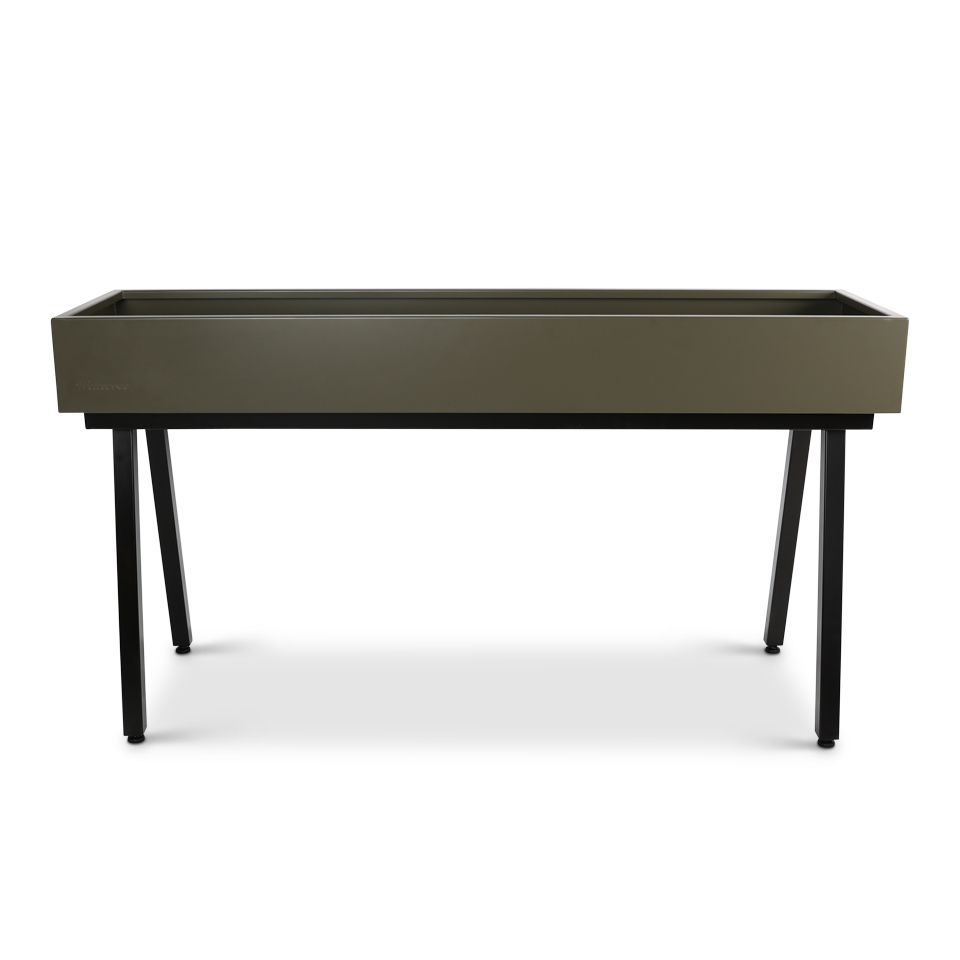
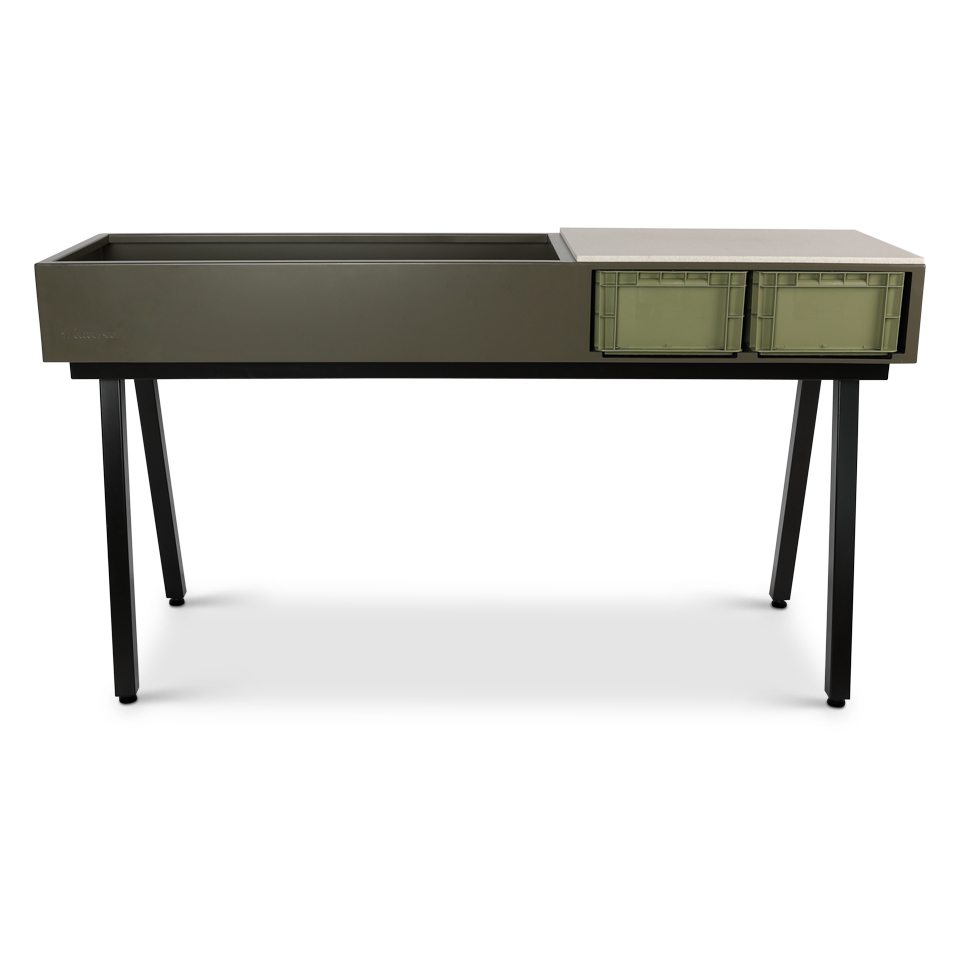
Wo ist der beste Ausgangspunkt für einen Gemüsetisch wie den Gardenworks or the Gardenworks Station?

Which three crops are almost always successful for beginners? And why do they work so well in a raised bed? 

For beginners, arugula, radishes, and strawberries almost always do well. Arugula and radishes can be sown directly, while strawberries are purchased as seedlings. These crops are easy to grow, undemanding, and produce a quick harvest, which provides a satisfying sense of accomplishment and extra motivation. They also do not root deeply, making them perfect for a raised bed. Strawberries can also hang nicely over the edge, keeping the fruit clean and preventing it from rotting.
Which vegetables, herbs, or edible plants do you think are most suitable for growing in this vegetable table? 

In a Gardenworks table, it is best to choose smaller, compact-growing crops. Think of tea herbs such as mint, chamomile, and lemon verbena, or kitchen herbs such as chives, parsley, coriander, basil, thyme, rosemary, oregano, and sage. Many fruits and vegetables are also suitable, such as lettuce, spinach, arugula, radishes, beets, Parisian carrots, strawberries, garlic, endive, bell peppers, chili peppers, and dwarf tomatoes such as ‘Koralik’ or ‘Tiny Tim’. Edible flowers are also a nice addition: violets, nasturtiums (which can hang playfully over the edge) and marigolds remain compact, complement the table well and are attractive to insects.
What are the most common beginner mistakes in vegetable gardening, and how does a vegetable table like this help prevent those mistakes? 

A common beginner's mistake is sowing or transplanting plants at a time when they cannot yet survive outdoors. This often happens because people do not research what a plant needs. Some plants can withstand the cold, while others only grow well at temperatures above 10 degrees Celsius—even at night. In the Netherlands, this is usually not until mid-May. Heat-loving plants include tomatoes, peppers, chili peppers, and basil. Other crops can be planted outside much earlier, often as early as March, when the vegetable gardening season begins. A vegetable table makes this easier to keep track of and check.

How many plants is ‘too many’ in a table like this? And what is the tip for not planting plants too close together? 


Sowing or planting too close together happens faster than you think, because young plants still look small. But they grow, and need space to root, absorb water, and find nutrients. If you plant them too close together, they will crowd each other out. Therefore, always check the plant label or follow the sowing distances indicated on the seed packet. This will give each plant enough space to grow healthily.
How do you apply crop rotation and succession planting in a raised vegetable garden bed with limited depth? 


Crop rotation is not really necessary in this raised bed, because we do not grow crops that leave diseases in the soil, such as cabbage or potatoes. These crops also require a lot of nutrients and space, which is not the case in this bed. Succession planting, on the other hand, is a great way to make optimal use of the bed. This means that after harvesting a crop, such as radishes, you sow or plant something new. For example, you could plant dwarf tomatoes or sow another round of spinach or arugula in that spot. This allows you to get much more out of your bed during the season.